More Calories, Fewer Minerals: The Modern Food Paradox
You can hit your daily calorie target and still underconsume magnesium, zinc, or iodine — a pattern researchers call hidden hunger. Soil changes, crop breeding for yield, longer supply chains, and ultra-processed staples all contribute. Understanding these shifts helps you shop and cook with micronutrient density in mind, without fear-based messaging or unrealistic purity standards.
See what changed
What Composition Tables Show Over 50 Years
Davis et al. (2004) compared USDA nutrient data for 43 garden crops between 1950 and 1999 and found statistically reliable declines in protein, calcium, phosphorus, iron, riboflavin, and vitamin C — with magnesium and zinc also trending downward in many entries. UK-specific analyses of McCance and Widdowson’s composition tables show similar patterns for some vegetables and wheat flour over recent decades.
Several mechanisms explain the trend. High-yield crop varieties often allocate growth energy toward starch and size rather than mineral uptake. Continuous cropping without adequate mineral return depletes soil pools — though fertilisation replaces nitrogen, phosphorus, and potassium, secondary minerals receive less attention. Longer storage and transport between harvest and plate increases nutrient degradation, especially for vitamin C and folate.
This does not mean modern food is worthless — it means diversity and preparation choices matter more than they did when diets were simpler and more local. Fortification programmes (folic acid in flour, B12 in cereals) address specific gaps but cannot replicate the full spectrum of whole foods.

Smarter Supermarket Choices in the United Kingdom
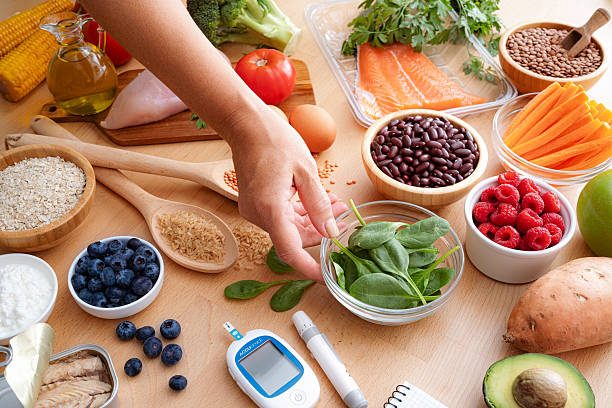
Micronutrient density per pound spent is a practical lens. Frozen spinach and berries often match fresh nutritionally while reducing waste. Tinned sardines and mackerel deliver omega-3, selenium, and calcium from edible bones at low cost. Mixed beans and lentils provide iron, zinc, and folate — soak dried versions to reduce phytates.
Organic certification addresses pesticide exposure more than guaranteed mineral increases — both organic and conventional whole foods beat processed alternatives for micronutrient density.

Kitchen Habits That Preserve Minerals

How you prepare food affects what reaches your plate. Water-soluble vitamins leach into cooking water — steam or stir-fry vegetables instead of boiling vigorously. Soaking oats, beans, and lentils overnight reduces phytic acid that binds zinc, iron, and magnesium in the gut. Sourdough fermentation partially degrades phytates in bread flour.
Cast-iron pans add small amounts of dietary iron when cooking acidic foods like tomato sauce — a passive fortification trick used for generations. Pairing fat with carotenoid-rich vegetables (carrots, sweet potato) improves fat-soluble vitamin absorption. Leaving skins on potatoes and carrots retains potassium and fibre near the surface.
These techniques do not require gourmet skills — they fit weekday cooking when time is limited. One soaked batch of chickpeas on Sunday supports mineral-rich lunches through midweek.
Frequently Asked Questions
Research is mixed. Some studies show modest differences for certain minerals; others find no significant gap. Both organic and conventional whole foods outperform processed products. Soil health practices may matter more than the organic label alone.
Occasional processed meals are normal. A daily multivitamin is a personal choice best discussed with a GP — it does not fully compensate for a consistently low-quality diet and may provide excess of some nutrients while missing others.
UK flour fortification rules continue to require folic acid and other nutrients in specified products. Labelling and import mixes may vary by brand — check packaging for fortification statements.
Home and allotment gardening reduces time from harvest to plate, preserving vitamin C and folate. Composting returns minerals to soil. Even window herbs add polyphenols and flavour that encourage more home cooking.