Managing Oxidative Load When Life Demands More
Deadlines, training blocks, and short sleep create free radicals faster than a rested body clears them. Zinc, vitamin C, and selenium each play distinct roles in antioxidant enzyme systems and hormone signalling. Supporting these pathways through food is a practical way to maintain balance during high-demand weeks — without overstating what nutrition alone can do.
Read the nutrient sections
Zinc: Enzyme Cofactor and Hormonal Signalling
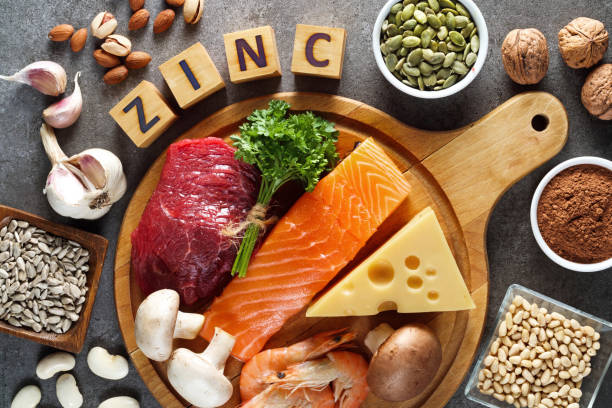
Zinc participates in over 300 enzymes, including superoxide dismutase (SOD) — an antioxidant that converts harmful superoxide radicals into hydrogen peroxide for further neutralisation. It also supports immune cell function and the synthesis of thyroid and sex hormones. During periods of psychological stress, urinary zinc excretion can increase, effectively raising your dietary requirement.
UK adults need roughly 7–9.5 mg daily depending on sex. Oysters are exceptionally rich, but less common in everyday UK diets. More accessible sources include beef mince, chickpeas, cashews, and fortified breakfast cereals. Phytates in unsoaked legumes bind zinc; soaking, sprouting, or fermenting improves bioavailability significantly.
Long-term zinc supplementation above 25 mg/day can interfere with copper absorption — another trace mineral involved in energy metabolism. Food-first approaches reduce this risk. If you rely heavily on plant proteins, rotate legume types and include seeds daily.
Vitamin C: Regenerating Other Antioxidants
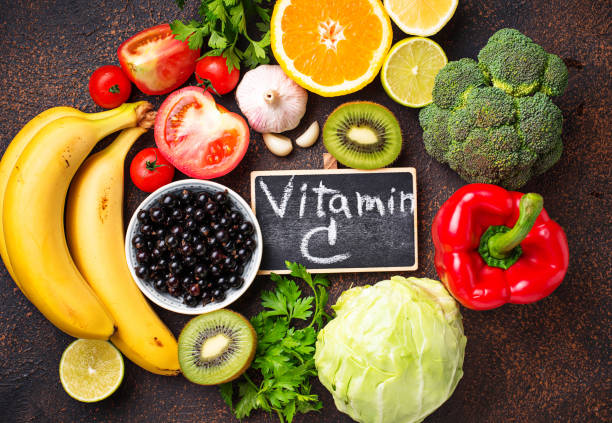
Vitamin C (ascorbic acid) donates electrons to regenerate vitamin E after it neutralises lipid peroxyl radicals in cell membranes. It also supports collagen synthesis — relevant for connective tissue recovery after exercise — and helps recycle glutathione, the primary intracellular antioxidant. Because humans cannot synthesise vitamin C, regular dietary intake is essential.
The UK recommended intake is 40 mg/day — easily met with one medium orange (70 mg) or half a red pepper (80 mg). Smokers and people under heavy oxidative load benefit from higher intake through food, not megadose supplements. Vitamin C is water-soluble; excess is excreted, but very high supplemental doses can cause digestive discomfort.
Fresh-frozen berries retain most vitamin C and work well in smoothies year-round. Steaming vegetables briefly preserves more ascorbic acid than boiling. Raw salads alongside cooked mains give a simple split that covers both worlds.
Selenium: Glutathione Peroxidase and Thyroid Support
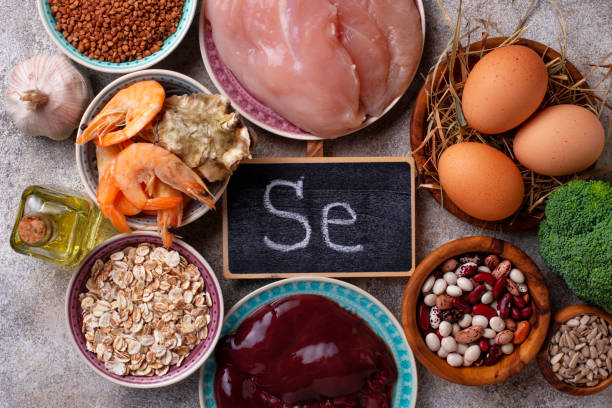
Selenium forms the active centre of glutathione peroxidase enzymes, which convert hydrogen peroxide and lipid hydroperoxides into harmless water and alcohols. It also supports iodothyronine deiodinase enzymes that activate thyroid hormones — linking selenium status to metabolic rate and energy perception.
UK soil selenium levels are lower than in parts of North America, so local food selenium content varies. Brazil nuts are the standout source: one to two nuts can provide 55–100 mcg, near the UK safe upper guidance for daily intake. Fish, eggs, and whole grains contribute smaller amounts. Because selenium has a narrow therapeutic window, food sources are preferable to high-dose supplements.
Pair selenium awareness with adequate iodine (see our brain guide) as both are discussed in thyroid-related nutrition literature. They interact in enzyme pathways described in public-health sources — this page does not assess your personal status.
Practical Habits During Overload Weeks

Nutrition supports resilience; it does not replace sleep, boundaries, or recovery time. During overload, prioritise simple antioxidant-rich snacks over skipping meals — blood sugar swings add another stress layer. A handful of walnuts plus an apple covers zinc, vitamin C, and polyphenols in one sitting.
Alcohol and ultra-processed snacks increase oxidative load disproportionate to their calories. Swapping one processed snack for fruit and nuts during crunch weeks is a realistic starting point.
Safe Limits for Antioxidant Nutrients
Antioxidant nutrients interact with medications and existing conditions. High-dose selenium supplements have been linked to adverse effects including nail changes and gastrointestinal upset at intakes well above food levels.
- Do not exceed 400 mg/day supplemental vitamin C long-term without professional advice — kidney stone risk may increase in susceptible individuals.
- Zinc nasal sprays linked to loss of smell are not recommended; dietary zinc is safer.
- People with thyroid conditions should discuss selenium and iodine intake with their clinician before supplementing.
- This content does not address specific health conditions — seek NHS services for personalised guidance.